Team Building Corporate Events: How to Plan Activities Employees Will Actually Enjoy
- Home
-
- Team Building Corporate Events: How to Plan Activities Employees Will Actually Enjoy
Most team-building corporate events fail for one simple reason. Employees feel forced to participate rather than excited to join. The activity feels mandatory, the energy feels flat, and everyone counts the minutes until it ends.
The usual team-building might feel awkward. Forced interactions and icebreakers, along with generic games, hardly build real connection.
People gather around, smile, and secretly wait for it to be over. Employee engagement and workplace culture are just words in those events. But these matter more than ever.
With the right planning, this can be achieved.
The venue, the activities, and the format all decide whether people leave energized or relieved it's over.
Successful events balance business goals with genuine enjoyment. Get that balance right, and a single day can shift how a team works together for months. Get it wrong, and the event becomes another box-ticking exercise nobody remembers fondly.
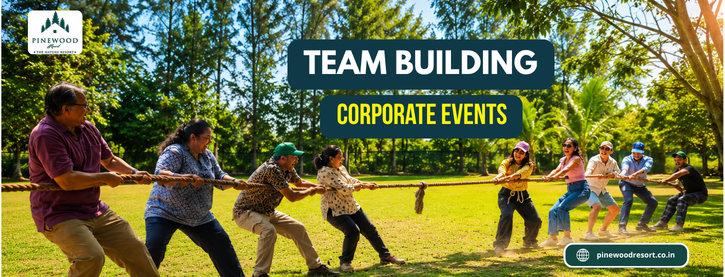
Team Building Corporate Events: Why They Matter
Team-building corporate events demand activities that match the energy.
Stronger Workplace Relationships
Departments often work individually, without interaction with one another. Shared activities break that barrier.
People collaborate better once they've shared genuine moments beyond office rooms.
Trust is easier built with shared experiences than through policy or memo.
Enhancing Employee Morale and Engagement
Employees feel belonged with the right engagement. A well-managed team outing improves satisfaction. It reminds people that their employer values them and not just the results.
This sense of belonging directly impacts productivity and motivation.
Supporting Workplace Culture
Shared experiences reflect what a company really values. A team outing offers culture a genuine moment to live in rather than a staying in order on a career page.
Companies investing in this can have better retention.
Encouraging Improved Communication
Cross-functional teams communicate more easily after going through the challenge as a team. Leaders outside the workplace become more reliable and visible.
These problem-solving activities are better when people trust each other.
Define the Purpose Before Planning Activities
Skipping this step is the most common planning mistake. Purpose should drive everything else, from the venue you book to the activities you choose.
- Recognition and rewards: celebrate achievements with unforgettable experiences
- New Employee and onboarding integration: help new joiners feel like a part of the team faster
- Team and relationship building: stress on connection rather than competition
- Leadership development: develop skills through actual challenges
- Celebration and engagement: achieve milestones together to create a company-wide bonding
The goal should be deciding the activities, schedule, venue and event type.
Without this, the planning is more of a guesswork and risks impressing teams.
How to Plan Team Building Corporate Events Employees Will Actually Enjoy
Understand Employee Preferences First
Ask before you plan.
- Collect informal feedback from the team
- Arrange surveys
- Go for a personality mix across the group
- Consider physical activity preferences and their comfort levels
Activities That Encourage Participation
The real goal isn't pleasure. It's inclusion.
- Create exclusive experiences across fitness levels
- Design collaborative challenges over individual competition
- Prefer small-group interactions over larger formats
Check Preferences, Age and Team Size
Personal activities are perfect for smaller teams, while larger teams need a more flexible format with different activity zones working at once.
A workforce with members from all age groups works well. They offer variety rather than activities that suit only one age group.
Combine Downtime with Well-Designed Activities
You can kill the energy with over-scheduling. Create a room for breathing. From informal conversations to networking, develop firmer bonds than the agenda.
Allow conversations to build naturally between these sessions.
Fun Activities for Company Events That Employees Like
Opting for the right combination matters more than going after trends. The best fun activities for company events combine inclusivity, purpose, and energy.
Team-building corporate events should include:
Outdoor Adventure Activities
Open spaces change the entire mood of an event.
- Treasure hunts across landscaped grounds
- Obstacle challenges
- Team races
- Nature-based challenges in open lawns
Opt for venues that allow you enough space to arrange these activities. Team members can run around and feel free to engage in the activities fully.
Problem-Solving and Strategy Games
These activities sharpen collaboration without feeling like work.
- Escape room challenges
- Business simulation games
- Team puzzles solved in small groups
These activities are perfect for bonding experiences. For strengthening the sense of team, strategy games work like wonders. It forces them to put their minds together and solve the task.
Sports and Recreational Activities
Friendly competition brings energy fast.
- Cricket
- Volleyball
- Badminton
- Friendly inter-team tournaments
Sports are the best way to bring people together, especially for corporate teams. The formal gestures go out the window, and what prevails is the pure sense of sportsmanship and teamwork.
Creative Team Building Activities
Creativity loosens people up quickly.
- Cooking competitions
- Talent showcases
- Group art challenges
The creative activities are sure to foster a sense of belonging within the team.
Wellness and Relaxation Experiences
Not every activity needs adrenaline.
- Yoga sessions
- Meditation workshops
- Wellness retreats in natural surroundings
These fun activities for company events work best when paired with a setting that supports them, not a cramped conference room.
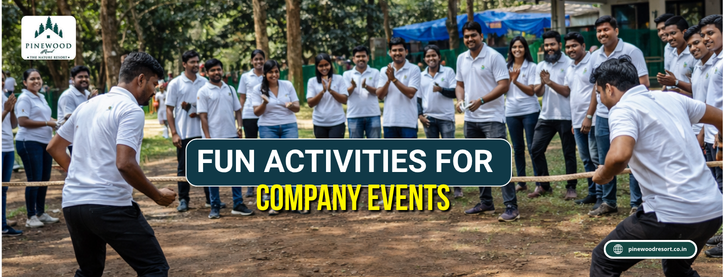
Choosing the Right Venue for Team Building Corporate Events
The venue shapes the entire experience more than any single activity choice.
Space Requirements
Look for resort-style venues with large outdoor spaces and landscaped environments. Cramped spaces limit what activities are even possible.
Indoor and Outdoor Activities
Venues with a range of activity areas offer organizers better flexibility. A weather inconvenience should not hamper the agenda.
Location and Its Accessibility
Easy access is as important as the activities. It matters especially for off-sites where travel time might flow into activity timelines.
Fining and Accommodation
On-site accommodation and food options make logistics simpler. This is especially important for overnight company retreats. There is no need for transport coordination or external vendors when everything is available under the same roof.
Event Management Support
Integrated event coordination support takes pressure off internal teams who already have day jobs to manage. From one-day offsites to multi-day team outings, having someone else handle the logistics frees organizers to focus on the people, not the paperwork.
Safety and Comfort Considerations
Parking, accessibility, and basic comfort all affect how relaxed employees feel once they arrive. A natural, relaxed atmosphere helps people genuinely switch off from office mode.
Common Mistakes Companies Make When Planning Team Building Events
Even well-intentioned planners fall into the same traps year after year.
- Choosing activities employees don't enjoy: guessing instead of asking what the team actually wants
- Focusing only on entertainment: missing the deeper objective behind the event
- Ignoring team diversity: one-size-fits-all rarely works across different ages and fitness levels
- Overloading the schedule: exhausting people instead of energizing them
- Selecting an inadequate venue: limiting what's possible on the day itself
- Not measuring event success: repeating the same mistakes next year without learning anything
Team Building Corporate Events Checklist
- Define event goals
- Set budget
- Choose the right venue
- Plan employee-friendly activities
- Balance work and recreation
- Arrange food and accommodation
- Ensure event logistics
- Collect post-event feedback
Measuring the Success of Team Building Corporate Events
- Participation layers: check who actually joined
- Better workplace bonding: notice the changes in bonding back at the office
- Long-term employee satisfaction: check in weeks later, not just immediately after
- Feedback from employees: directly ask for their opinion post the event
- Team engagement improvement: check the energy during the activities
Great team-building corporate events are planned around people, not just activities. The right mix of objectives, experiences, venue, and engagement creates impact that actually lasts.
Employees remember a treasure hunt on a resort lawn or a strategy session followed by real relaxation far longer than another presentation. Companies that invest in well-planned experiences consistently see stronger collaboration, morale, and culture.
Before your next event, evaluate it with employee experience as the starting point, not an afterthought.
If you are looking for the right venues to arrange these team-building corporate activities, explore the services of Pinewood Resort and book early for a perfect corporate team event.
FAQs
- How often should companies organize team building corporate events?
Most organizations benefit from hosting team-building events at least once or twice a year, with smaller engagement activities conducted more frequently.
- What is the ideal duration for a team-building corporate event?
The ideal duration depends on the objective, but most successful events range from a half-day session to a two-day offsite retreat.
- What budget should companies allocate for team-building events?
Budgets vary based on venue, group size, accommodation, and activities. Planning objectives first helps determine a realistic budget range.
- Are outdoor or indoor team-building activities more effective?
Both can be effective. Outdoor activities encourage energy and collaboration, while indoor activities work well for strategy, creativity, and problem-solving sessions
Book Now